
Ship Supplier and Ship Chandler Serving U.S. Ports
Where to buy ship provisions near port: through a ship chandler that delivers to the vessel. This guide explains how to choose one, what to send and what to expect at U.S. ports.
Masters, chief cooks and ship purchasers often ask the same question before a U.S. port call: where do we actually buy provisions near the port, and how do they get on board? Supermarkets and wholesale clubs cannot clear a terminal gate or meet a ship at anchor. In practice, vessels buy provisions through a ship chandler, who sources food and stores locally, packs them for marine use and delivers to the berth or by launch. Alpha Ship Supplies is one of those chandlers, coordinated from Houston and supplying the U.S. ports we serve.
Practical answers | Fresh · Frozen · Dry · Cabin · Bonded | Delivered to the vessel

How buying provisions really works
Delivered to berth or by launch
Sorted by temperature and store
Gulf, East and West Coasts
Ship provisions near a port are bought from a ship chandler (also called a ship supplier). A chandler buys fresh, frozen and dry food from local wholesalers, adds cabin and galley stores, packs everything for marine handling and delivers it directly to the ship. Retail shops are rarely an option, because terminals control access, vessels may lie at anchor, and quantities for a crew of twenty on a long passage are far beyond retail scale.
When you compare chandlers near a U.S. port, look for:
Searching for “ship provisions near me” on arrival usually turns up restaurants and grocery stores, not suppliers that can reach a ship. The faster route is to contact a ship chandler serving that port before arrival, or ask your port agent which chandlers they work with.
Send the vessel name, port, ETA, crew numbers and your list. We quote line by line.
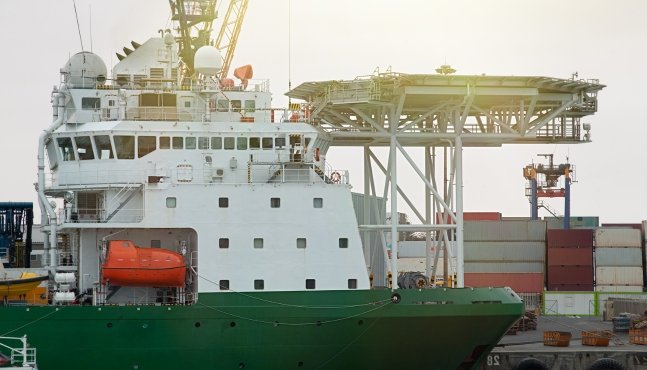
Large U.S. port cities have deep wholesale food markets, so most standard provisions are available with a few days’ notice. Typical orders include:
Specialty and regional items depend on the port. A good chandler will tell you what is available and offer substitutes before you approve. For full category detail, see provision and crew stores.
Bonded stores such as tobacco and spirits for foreign-going vessels are handled separately under customs rules; where available, they can be arranged with the same delivery through licensed bonded suppliers.
Crews calling at U.S. ports come from everywhere: the Philippines, India, China, Indonesia, Ukraine, Greece, Myanmar, Turkey and many more. Buying near port works best when the chandler can source the staples each crew expects, such as jasmine and basmati rice, noodles, fish sauce, soy sauce, curry spices, halal meat, olive oil, feta and rye bread. Tell the chandler the crew mix and the next passage length, and ask for suggested quantities. A good supplier will help you avoid both shortages and waste. If your vessel is managed from the Middle East, see our page on halal provisions for Saudi and Gulf vessels.
Sharing last voyage consumption figures is the quickest way to get accurate suggested quantities.
These six questions separate a reliable ship chandler from a simple food seller.
Ask whether they handle gate access, TWIC escort needs and terminal delivery hours, and whether they can reach anchorages by launch.
Standard provisions usually need a few days. Specialty items and large orders need more. Urgent orders should be possible for common lines.
Ask how chilled and frozen goods are kept at temperature before loading, and whether items are labeled by store room.
Insist on a line-by-line quotation with quantities, units and any substitutions shown before you approve.
Deck, engine and technical items on the same delivery save time and launch cost. See general ship supplies.
You should receive a delivery note matching the requisition and an invoice with the same references.
The best place to buy provisions depends on where your vessel calls. These are the main U.S. regions we supply.
Houston has one of the largest wholesale food markets on the Gulf, and our headquarters is here. Provisions for Houston, Galveston, Texas City, Freeport and Corpus Christi are coordinated directly. See Houston port ship supply.
New Orleans, the Port of South Louisiana, Baton Rouge and Lake Charles calls are coordinated from Houston, with delivery arranged for each call to berths, buoys and anchorages. See New Orleans port ship supply.
Los Angeles and Long Beach have large wholesale markets, especially for Asian and Latin American staples. See Los Angeles ship provision supply.
New York, Baltimore, Savannah, Charleston and Florida ports are supplied with delivery arranged for each call. See all ports we serve.
Your agent knows the terminal rules and the chandlers that work there regularly. Copy them on the order so delivery can be confirmed quickly.
If the vessel’s U.S. rotation includes several ports, we can recommend the one with the best availability and the longest stay.
Yes, for common items. If a crew change, delay or cold room problem leaves the galley short, mark the order URGENT with the ETD and port. We will confirm quickly what fresh, frozen and dry items can realistically be delivered before sailing, and suggest what to leave for the next port. Orders can be sent through our form at any time and urgent ones are prioritized by ETD.
If the vessel cannot wait, we can prioritize staples such as bread, eggs, fresh produce, water and frozen meat, and plan a fuller order for the next port.
Provision prices at U.S. ports depend on more than food prices. The main factors are:
A clear, early requisition is the easiest way to keep provision costs down.
Send the list early, accept sensible substitutions, combine provisions with other stores on one delivery, and take stores alongside rather than at anchor when the schedule allows. These four habits usually save more than negotiating individual prices.
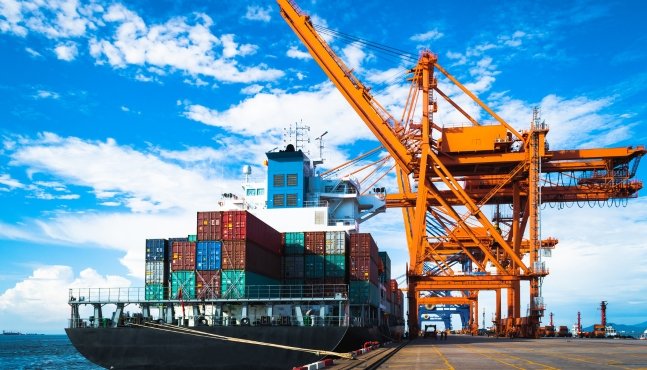
Ordering provisions for a U.S. port call follows the same simple pattern every time.
Base it on crew numbers, the next passage length and current stock. Group items by fresh, frozen, dry and cabin stores.
Vessel name, IMO, port and terminal, ETA, ETD and agent contact. These decide how and when delivery happens.
Send the list to the chandler at least a few days before arrival. Review the line-by-line quotation and approve substitutions.
The chandler agrees a slot with your agent and delivers to the vessel, with perishables packed by temperature.
The cook or chief officer checks the delivery against the note before the master signs.
Vessel name, IMO, berth or terminal, ETA/ETD, agent details and the item list with quantities. For spares add maker, model and part number.
Every line priced, substitutes and long-lead items flagged, and delivery or launch charges confirmed up front.
Approve by email or purchase order. Suppliers and transport are booked the same day.
Stores arrive in the agreed slot at your berth at any U.S. port we serve with a delivery note matching your requisition.
Invoice and supporting documents for your accounts, audits and vessel records.
The earlier the list arrives, the better the choice and price. Every delivery is checked against the requisition before dispatch, and any substitution is shown on the delivery note before the master signs.
From a ship chandler that delivers to the vessel. Alpha Ship Supplies sources provisions locally and delivers to berths and anchorages at the U.S. ports we serve, coordinated from Houston.
Rarely in practice. Terminals control access, ships may be at anchor and quantities are large, so provisions are normally bought through a ship chandler.
A few days for standard items is ideal. Specialty items and large orders need more notice, while common items can sometimes be supplied urgently.
Yes. Delivery to anchored vessels is by launch, arranged with the port agent, with cost confirmed on the quotation.
Yes. Halal, vegetarian, vegan and nationality-specific staples can be sourced, subject to availability at each port.
Vessel name and IMO, port and terminal, ETA and ETD, crew numbers, next passage length, dietary notes and the item list.
Chilled and frozen items are kept at temperature until delivery and packed by store room so they can be stowed quickly.
Yes. Cabin, deck, engine and technical stores can be delivered with provisions on one drop.
Cost depends on order size, lead time, delivery method, specialty items and season. You receive a line-by-line quotation before approving.
Gulf Coast ports including Houston and Louisiana, plus major East and West Coast ports we serve, with delivery arranged for each call.
Send the vessel name, port, ETA, crew numbers and provision list. You will get a line-by-line quotation and a confirmed delivery plan.
Vessel calling at a U.S. port? Talk to our team or send your requisition for a quotation.
Call Now (979) 250-7486 Request for QuoteShip supplies at U.S. ports
Tell us about your vessel and port call. Our team will review your requirement and get back to you.
Prefer to talk?
(979) 250-7486
Request Ship Supplies
Share your vessel details and requirements in short.
Request received
Thank you. Our team will review your request and contact you.