
Ship Supplier and Ship Chandler Serving U.S. Ports
Alpha Ship Supplies is a Houston-based marine supplier supporting commercial vessels, yachts, and fishing fleets calling at U.S. ports. We coordinate ship provisions, deck and engine stores, technical supplies, and marine spare parts for vessel operators, purchasing departments, and port agents.
From planned replenishment to urgent vessel requisitions, our focus is accurate sourcing, clear communication, and dependable delivery coordination. We work with shipowners, ship managers, charterers, fleet purchasing departments, masters, chief engineers, and port agents who need ship stores and spare parts arranged around a U.S. port call.
Every request starts with the requisition. We review item descriptions, IMPA or ISSA references, and OEM part numbers, raise questions early when a specification is unclear, and quote against what the vessel actually needs. Delivery is then planned around the berth or terminal, the ETA and ETD, and the port agent's arrangements.
Commercial ships, private yachts, and fishing vessels buy very different stores. We handle each market on its own terms.
Dry bulk carriers, crude oil and product tankers, chemical tankers, LNG and LPG carriers, container ships, general cargo, Ro-Ro, and multipurpose vessels. Provisions, bonded stores, deck and engine stores, and technical spares arranged for the port call, coordinated with the agent and terminal.
Provisioning, hotel and housekeeping stores, deck supplies, and technical stores for motor yachts, charter yachts, superyachts, and mega yachts, with marina delivery arranged with the captain or yacht manager.
Crew provisions, ropes and rigging, deck gear, hydraulic and refrigeration consumables for trawlers, longliners, seiners, crab vessels, and offshore fishing fleets.
Our core supply categories cover what a vessel typically orders during a U.S. port call: fresh, frozen, and dry provisions; cabin and galley stores; deck and engine consumables; and technical stores and spare parts identified by maker, model, and part reference.
Each category page explains what we source, what information we need from the vessel, and how delivery is coordinated.

Merchant vessel supply is driven by the port call. A bulk carrier loading grain on the Mississippi, a product tanker at a Houston Ship Channel terminal, and a container ship on a tight schedule at Long Beach each have different time windows, terminal access rules, and store priorities.
We separate routine provisioning from technical stores and from time-sensitive requisitions, because each moves differently. Provisions are planned against crew numbers and voyage length. Deck and engine stores are matched to IMPA or ISSA references. Spare parts are confirmed against the maker, model, serial number, and OEM part number before a quotation is issued, so the right part reaches the vessel the first time.
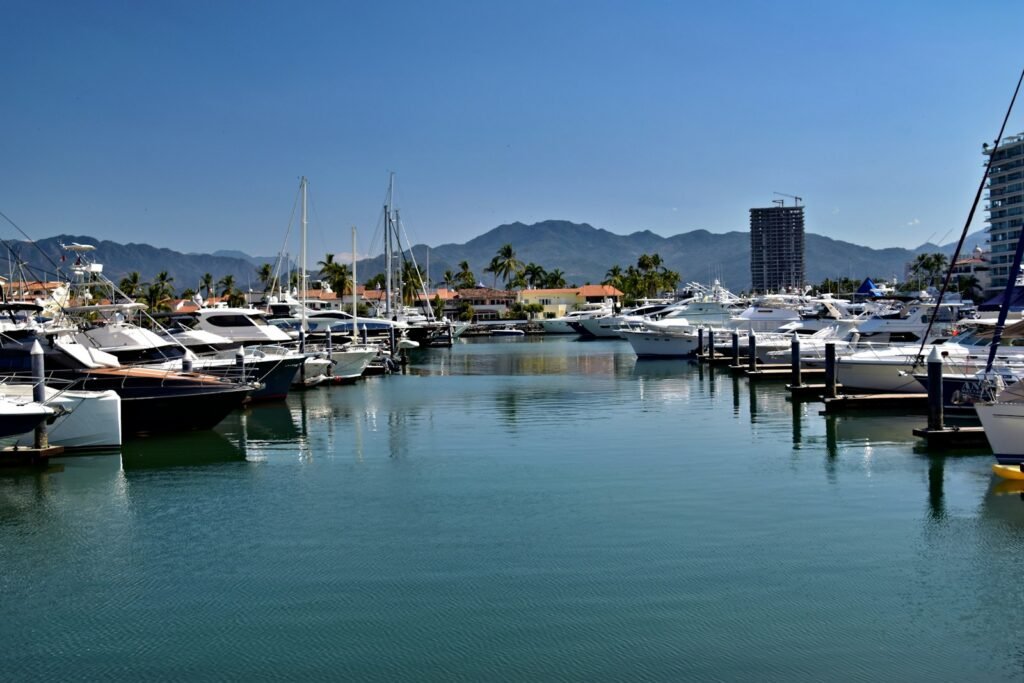
Yacht supply is closer to hospitality than to commercial chandlery. Captains, chief stewards, and yacht managers expect specific brands, careful handling of fresh and specialty foods, and deliveries timed around guests and marina schedules.
We support provisioning, hotel and housekeeping stores, cleaning supplies, deck and tender consumables, and technical stores for motor yachts, charter yachts, and superyachts at U.S. marinas and ports. Send your provisioning list with brand preferences and the marina or berth details, and we will confirm availability before quoting.
Trawlers, longliners, seiners, crab vessels, and offshore fishing fleets work long trips with little room for a missing part. Gear and hydraulic consumables wear quickly, refrigeration has to hold, and the crew needs enough provisions to stay at sea.
We help fishing fleet operators plan stores before departure and source replacement items between trips, with deliveries coordinated to the dock or vessel.
Requests for the Gulf Coast, East Coast, and West Coast are coordinated from our Houston office. Outside Houston, supply is arranged through local liaison contacts, supply partners, and delivery arrangements confirmed for each port call. Tell us the port and terminal when you send your requisition and we will confirm what can be arranged.
Houston is home to one of the busiest port complexes in the United States, with tankers, chemical carriers, bulk carriers, and container ships calling along the Houston Ship Channel and at nearby Galveston, Texas City, and Freeport. Our office in the Hillcroft area of Houston is the coordination point for every requisition we handle.
Quotations, supplier follow-up, and delivery planning are managed from Houston, so you work with one team whether the vessel is at Barbours Cut or on the West Coast.
A single team handles your quotation, follow-up questions, and delivery planning, so nothing gets lost between departments.
We check IMPA and ISSA references, OEM part numbers, and quantities before quoting, and ask when something does not match.
Deliveries are scheduled against the ETA, ETD, berth, and terminal access, in coordination with the vessel's port agent.
If an item has a long lead time or cannot reach the vessel before departure, we tell you early so you can plan the next port.
Email or upload your list with vessel details, port, ETA, and item references.
We check specifications and confirm any unclear items with the vessel or office.
You receive a quotation covering availability, pricing, and expected delivery timing.
Once approved, we place orders and track items against the port schedule.
Delivery is coordinated with the port agent, terminal, and vessel, and documents are provided with the stores.
Complete information is the fastest route to an accurate quotation. When arranging stores for a vessel calling at the Port of Houston or any other U.S. port, please include the details on this list. For technical spare parts, the equipment manufacturer, model, serial number, and part reference help us avoid quotation delays and wrong deliveries.
Many of the vessels we supply are managed from Europe, Japan, South Korea, Singapore, China, India, and other maritime centers. Purchasing teams in those offices often place orders across time zones, through ship management systems, and with requisitions written to IMPA or ISSA catalogues.
We work in clear written English, quote against your catalogue references, and keep the vessel, the technical superintendent, and the port agent informed of what has been ordered and when it will arrive. If your fleet regularly calls at U.S. ports, we can review your typical requirements in advance to shorten quotation time on future calls.
Headquarters port. Tankers, chemical carriers, bulk carriers, and container ships along the Houston Ship Channel.
Lower Mississippi River calls, including bulk, breakbulk, and container traffic.
Crude oil and LNG export traffic on the South Texas coast.
Container and tanker calls in San Pedro Bay.
Neighboring San Pedro Bay port with heavy container and liquid bulk traffic.
Major East Coast container gateway.
Practical guidance for masters, chief engineers, superintendents, and purchasing teams arranging supply at U.S. ports.
Send the vessel name, IMO number where applicable, U.S. port of call, terminal or berth, ETA and ETD, port agent details, and the requisition list with quantities. Include IMPA or ISSA references for stores and maker, model, serial number, and OEM part number for spare parts.
Yes. Houston is our headquarters and coordination center. Requests for other U.S. ports are arranged through local liaison contacts, supply partners, and delivery arrangements confirmed for each call. Tell us the port and terminal and we will confirm what can be arranged.
Yes. Catalogue references help us identify items accurately and reduce back-and-forth on descriptions. Requisitions exported from ship management systems are welcome.
We confirm the equipment maker, model, serial number, and part number before quoting. Where a part is unclear, we ask for nameplate photos or drawings so the vessel receives the correct item.
Yes. Alongside merchant vessels, we support yacht provisioning and technical stores and supply crew provisions, deck gear, and consumables for commercial fishing fleets.
Delivery alongside is planned with the vessel's port agent and the terminal or marina, since access rules and timing differ between berths. Sharing the agent's contact details early helps avoid delays at the gate.
Mark the request as urgent and include the ETD. What can be supplied depends on item availability, lead time, and terminal access. We will tell you quickly what is realistic before the vessel sails.
Send your vessel details and requisition to our Houston team for review and quotation.