
What makes the Port of Houston different?
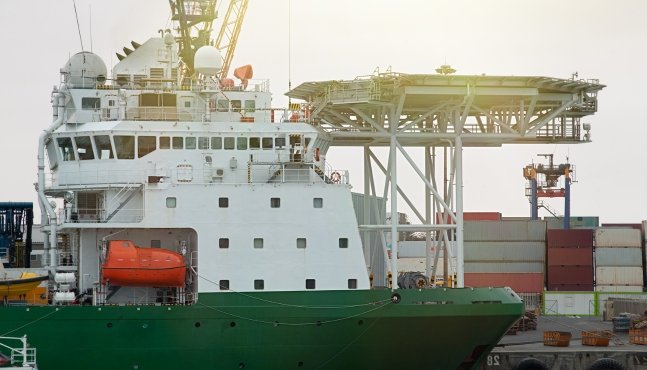
The Houston Ship Channel is a 52-mile federal waterway with more than 200 private terminals and eight public terminals owned and operated by Port Houston. It is the largest U.S. port by waterborne tonnage, serving tankers, chemical carriers, gas carriers, bulk carriers, container ships and project cargo vessels.
For ship supply, the important points are distance and variety. A vessel at Bayport or Barbours Cut container terminal, a chemical tanker at a private dock in Pasadena, and a bulk carrier near the Turning Basin are in very different places, with different gate procedures. Port Houston's two container terminals, Barbours Cut and Bayport, run on published schedules, while private terminals set their own rules for visitors and deliveries.
| Feature | What it means for ship supply |
|---|---|
| 52-mile channel from Galveston Bay to the Turning Basin | Delivery time depends heavily on which terminal the vessel is at |
| 200+ private and 8 public terminals | Each terminal has its own access and booking rules |
| Bolivar Roads anchorages at the bay entrance | Stores at anchor go by launch; time limits apply |
| Largest U.S. port by waterborne tonnage | Wide supplier base, but busy roads and gates at peak times |
What must be done before the vessel arrives in Houston?
The vessel's Notice of Arrival must reach the U.S. Coast Guard National Vessel Movement Center at least 96 hours before arrival for voyages of 96 hours or more, the agent must confirm berth or anchorage, and stores, provisions and spares should already be ordered and quoted.
The 96-hour Notice of Arrival under 33 CFR 160.212 is the agent's and master's responsibility, but it is also a useful planning deadline for supply. If the requisition is sent no later than the NOA, the supplier has time to quote, source and book delivery before the vessel reaches the sea buoy.
- Notice of Arrival submitted through the NVMC eNOAD system on time.
- Port agent appointed and contact details shared with the ship supplier.
- Requisitions for provisions, stores and spares sent and quoted.
- Spare parts shipped from abroad tracked with the forwarder and customs broker.
- Expected terminal, berth window and anchorage plan confirmed by the agent.
- Halal, dietary and bond requirements included in the requisition.
How long is the transit, and how does it affect deliveries?
The pilotage from the sea buoy to an upper channel berth can take several hours. The Greater Houston Port Bureau notes that a transit might take as little as four hours or, uncommonly, as long as ten. Restrictions such as daylight-only movements for some vessels and draft limits can add waiting time.
Pilotage on the Houston Ship Channel is handled by the Houston Pilots, who publish navigation safety guidelines covering, among other things, restrictions for larger vessels and deep-draft ships. The vessel's actual time alongside therefore depends on pilot scheduling, traffic and weather as much as on the terminal. For the ship supplier, this means the delivery should be booked against the confirmed all-fast time, not against the ETA at the sea buoy.
Weather on Galveston Bay
Fog on Galveston Bay and the lower channel can suspend traffic for hours, particularly in the cooler months, and the Atlantic hurricane season runs from June to November. When movements stop, perishable provisions are held in cold storage and the delivery is rebooked once the new berthing time is known.
Calling at the Port of Houston?
Houston is our home port. Send the vessel name, terminal and ETA and we will confirm the delivery plan for your call.
Check Availability for Your VesselCan stores be delivered at the Bolivar Roads anchorage?
Often yes, by launch through the port agent, when weather and traffic allow. Federal regulations at 33 CFR 110.197 set a 48-hour time limit for the Bolivar Roads anchorage areas unless the Captain of the Port authorizes longer, so many vessels take stores at the berth instead.
Many tankers and bulk carriers wait at anchor before shifting up the channel. If the wait is short, it usually makes sense to deliver at the berth. If the vessel will wait longer, or will load at a berth where deliveries are difficult, a launch delivery at anchor can be the better option. Tell the supplier your expected plan early; launch service has to be booked and its cost is normally charged separately.
What do you need for terminal access in Houston?
Delivery vehicles and drivers must be cleared with the terminal in advance. Most Houston Ship Channel terminals are regulated under the Maritime Transportation Security Act, so anyone entering secure areas needs a Transportation Worker Identification Credential (TWIC) or an approved escort, at the facility's discretion.
Private petrochemical terminals often add their own safety requirements, such as site-specific orientation, personal protective equipment, restrictions on vehicle types or fixed delivery windows. The port agent usually knows these rules and passes them on. A supplier who delivers to the channel regularly will already hold the right credentials and know which gates to use.
- Terminal name and berth number confirmed.
- Delivery window agreed with the vessel and approved by the terminal.
- Driver and vehicle details sent to the terminal through the agent if required.
- Gangway watch informed of the expected delivery time.
- Crane or stores hoist availability confirmed for heavy items.
What should you order for a Houston call?
Houston has one of the widest supplier bases in the United States, so it is a good port to take a full requisition: provisions, deck and engine stores, safety items, technical stores and spare parts held by U.S. distributors.
Because the Houston region is the centre of the U.S. oil, gas and petrochemical industry, technical items such as valves, gaskets, pumps, filters and electrical components are often easier to source here than at smaller ports. If the vessel's rotation includes other U.S. ports, consider taking the bulk of the order in Houston and smaller top-ups elsewhere.
- Provisions and crew stores, including halal and crew-specific menus.
- Deck and engine stores coded to IMPA.
- Marine spare parts by maker and part number.
- Safety and maintenance supplies.
When is the best time to deliver during a Houston call?
The best time is usually soon after the vessel is all fast and cargo operations have settled, rather than in the final hours before sailing. Early delivery leaves time to correct shortages and to bring forward any items still on the way.
A typical Houston supply timeline
- ETA minus 7 daysCheck availability and send requisitions.
- ETA minus 4 daysQuotation approved; NOA filed.
- ETA minus 1 dayBerth confirmed; delivery booked with terminal.
- All fastStores delivered and checked on board.
- Before sailingFinal items and corrections; documents signed.
What about other ports around Galveston Bay?
Galveston, Texas City and Freeport are close to Houston and share the same approaches and weather. A Houston-based supplier can usually serve them on the same basis, which helps vessels that shift between ports in the bay.
See our port pages for Galveston, Texas City and Freeport. For vessels moving on to Louisiana, the New Orleans and South Louisiana pages cover the Mississippi River.
Key takeaways
- The Houston Ship Channel is 52 miles long with more than 200 private and eight public terminals.
- Use the 96-hour Notice of Arrival as the latest date for sending requisitions.
- Transit times vary; book deliveries against the confirmed berthing time.
- Bolivar Roads anchorages have a 48-hour limit; plan anchor or berth delivery early.
- Terminals are security-controlled; deliveries must be pre-cleared.
Frequently asked questions
How far in advance should I order supplies for a Houston call?
Five to seven days before ETA is comfortable. Use the 96-hour Notice of Arrival as the latest point for sending the full requisition.
Can I get spare parts in Houston quickly?
Houston has a large base of industrial and marine distributors, so many spares are available locally. Lead time depends on the maker, model and stock position.
Do delivery drivers need a TWIC in Houston?
Anyone entering secure areas of an MTSA-regulated terminal needs a TWIC or an approved escort. Escort arrangements are at the terminal's discretion.
Can provisions be delivered to a vessel waiting at Bolivar Roads?
Often yes, by launch, subject to weather and traffic. Anchorage time limits mean many vessels prefer delivery at the berth.
What if fog delays the vessel?
Perishables are held in cold storage and the delivery is rebooked once the new berthing time is confirmed.
Your next step
Planning a Houston Ship Channel call?
Send the vessel, terminal and ETA. Our Houston team will confirm availability and reply by email with an estimate. See also our Port of Houston ship supply page.
Request an EstimateSources and further reading
- Port Houston Media Guide 2025, Port Houston.
- Port Houston profile, Texas Department of Transportation.
- Bigger Ships, Deeper Channel: Safety Stays Supreme, Greater Houston Port Bureau.
- Navigation Safety Guidelines for the Houston Ship Channel, Houston Pilots.
- 33 CFR 160.212, When to submit an NOA, Electronic Code of Federal Regulations.
- 33 CFR 110.197, Galveston Harbor, Bolivar Roads Channel, Legal Information Institute.
- Transportation Worker Identification Credential, U.S. Coast Guard.