
Ship Supplier and Ship Chandler Serving U.S. Ports
One coordinator for provisions, deck and engine stores, technical supplies and spare parts across Los Angeles, Long Beach, Oakland, Seattle, Tacoma and Portland.
West Coast ship supply gets complicated when a vessel calls at three or four Pacific ports on one rotation. Alpha Ship Supplies keeps it simple: one coordinator, one price basis and one requisition history for the whole West Coast leg. We plan which port each part of the order should be delivered to, based on berth time and access. Requisitions are quoted and coordinated from our Houston headquarters, with delivery arranged for each call.
One coordinator | Los Angeles · Long Beach · Oakland · Seattle · Tacoma · Portland
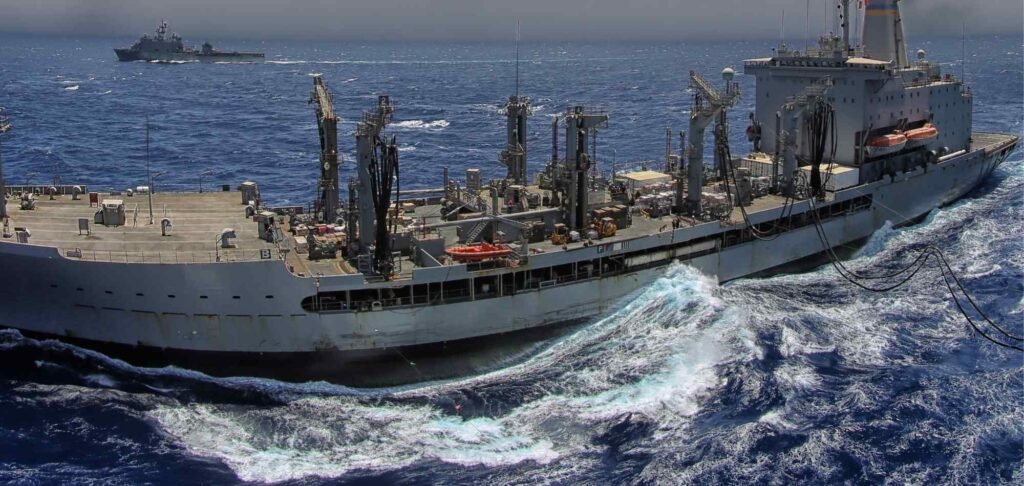
Right port for each part of the order
Same contact at every Pacific port
Provisions, stores and spares together
Prioritized by your vessel ETD
A typical transpacific service may call at Los Angeles or Long Beach, then Oakland, then Seattle or Tacoma before heading back to Asia. Using a different supplier at each port means different price lists, different formats and no single view of what has already been supplied. We give you one view across the coast.
Fleet operators and purchasing teams use Alpha Ship Supplies on the West Coast because:
Because one coordinator sees the whole West Coast leg, items supplied at Los Angeles are not ordered again at Seattle, and anything outstanding is carried forward to the next port automatically. That saves money and keeps the vessel’s records clean.
Send the full rotation, ETAs and requisition. We will propose which items to deliver at which port.
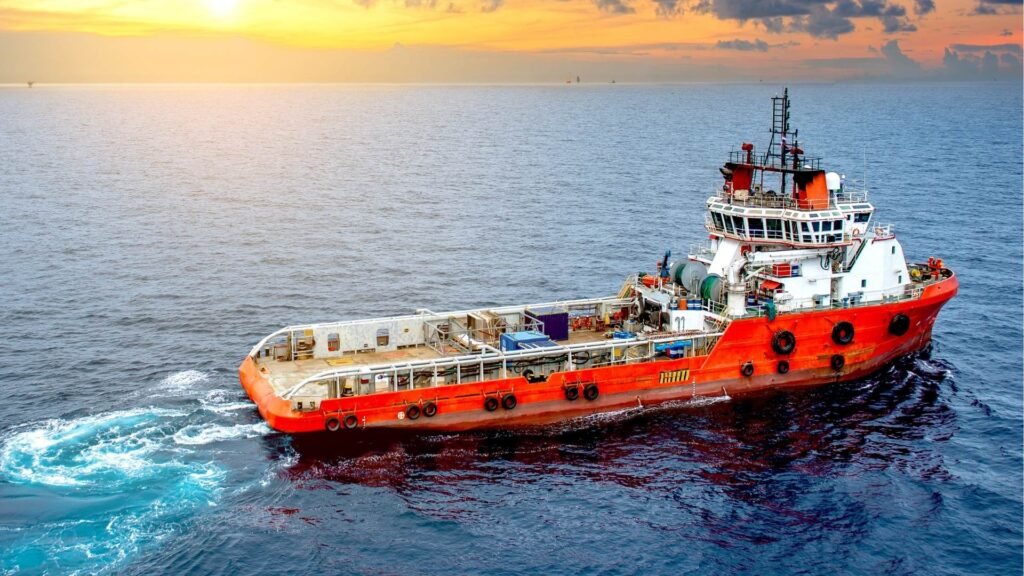
Each Pacific port has its own character, and we plan to it:
For provision-focused orders in Southern California, see Los Angeles ship provision supply. For hardware and technical items in Puget Sound, see Seattle marine supply.
Los Angeles to Oakland is roughly a day at sea, and Oakland to Seattle or Tacoma about two more. Those gaps are useful: an item that cannot be sourced for Southern California can often be ready by the time the ship reaches the Bay Area or Puget Sound. We use the sailing schedule as part of the sourcing plan.
Container ships on Asia–US services are the core of West Coast trade, with short berth windows at every port. Bulk carriers load grain at Columbia River and Puget Sound elevators and often stay longer, which suits large orders. Tankers call at Southern California and Puget Sound refineries with strict terminal rules. Car carriers and Ro-Ro vessels follow fixed schedules that make repeat orders easy. Fishing and Alaska trade vessels in the Pacific Northwest need rugged deck stores and cold-weather gear. Each requisition is planned around the vessel type and its full rotation.
Pacific Northwest calls can also bring cold, wet weather, so winter rotations often add foul-weather gear, de-icing items and heavier mooring lines to the requisition. We flag seasonal items when the rotation calls for them.
The same full range is available at every West Coast port, quoted on one document per call.
Fresh, chilled, frozen and dry provisions planned for the Pacific crossing, with galley and cabin stores. See provision and crew stores.
Mooring lines, lashing gear, wires, paint, tools, gaskets and filters to IMPA references. See deck and engine stores.
OEM and approved spares by maker, model and part number, routed to the port where they can arrive in time. See marine spare parts.
PPE, lifesaving and firefighting items and medical chest stores to flag requirements. See safety supplies.
Electronic spares and consumables for bridge and engine-room equipment. See electronics.
Steering gear spares, control cables and hydraulic items. See steering and controls.
The smartest West Coast requisitions use the whole rotation, not just the first port.
Fresh provisions usually go to the first West Coast port after the Pacific crossing, when stocks are lowest.
Spares that need extra sourcing time can be routed to Oakland, Seattle or Tacoma, giving suppliers several more days.
Paint, ropes and large maintenance orders go to the port with the longest berth time or easiest access.
A small fresh top-up at the last West Coast port means the crew leaves for Asia with the freshest possible produce.
Everything supplied on the rotation is recorded against the same requisition, so nothing is ordered twice.
Each delivery has its own signed delivery note, all referenced to the same requisition. Invoices use matching line references, so the purchasing team can reconcile the entire rotation in one pass.
Tell us the full rotation. A spare that cannot reach Los Angeles in time may be easy to deliver at Seattle or Tacoma.
Send part numbers and nameplate photos early so sourcing can start while the vessel is still on its first West Coast call.
When something fails mid-rotation, the next West Coast port may be only a day or two away. Mark the requisition URGENT with the remaining rotation and ETDs. Requisitions can be sent any time, and urgent ones are prioritized by sailing time. We tell you quickly which port gives the best chance of delivery before the vessel leaves for Asia.
If the part cannot be delivered anywhere on the West Coast before departure, we help plan it for the vessel’s next port, whether in Asia or back on a U.S. coast.
Most West Coast traffic is operated or managed from China, Japan, South Korea, Taiwan, Singapore, Hong Kong, Denmark, Switzerland, Germany and France. We work by email across time zones and send line-by-line quotations that purchasing teams abroad can approve before the ship reaches the coast.
Provisions are planned around crew nationality and the return passage. Bonded stores for foreign-going vessels can be arranged where available, coordinated through each port agent.
Operators with regular West Coast services can ask for a standing price list on repeat consumables, used at every port on the rotation.
Vessels moving between the West Coast and the Gulf or East Coast through the Panama Canal can keep the same supplier on both sides. Requisitions started on the Pacific side can be completed at Houston, Savannah or New York with the same coordinator.
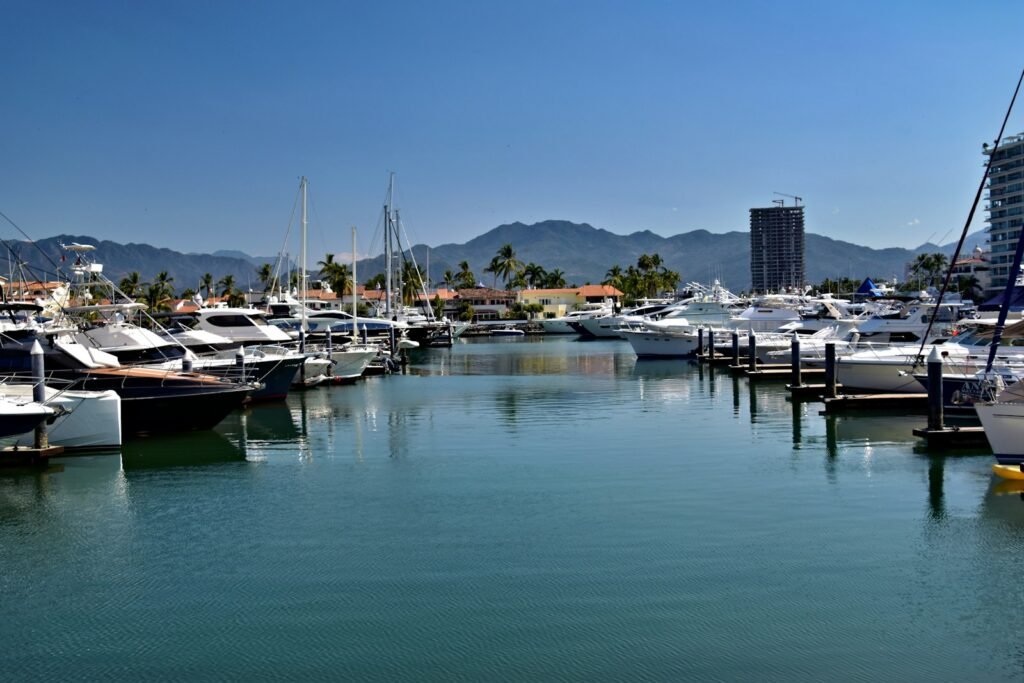
Planning the whole coast at once gives you more options and fewer missed items.
Share the full list of West Coast ports and ETAs while the vessel is still crossing the Pacific.
Show which items are needed at the first port and which can wait. Long-lead spares can go later.
Use one requisition for the whole rotation so every delivery is tracked against it.
Give the agent at each port, so delivery slots can be booked directly.
At the end of the West Coast leg you receive a summary of everything delivered and anything outstanding, so the next voyage starts with a clear list.
Vessel name, IMO, berth or terminal, ETA/ETD, agent details and the item list with quantities. For spares add maker, model and part number.
Every line priced, substitutes and long-lead items flagged, and delivery or launch charges confirmed up front.
Approve by email or purchase order. Suppliers and transport are booked the same day.
Stores arrive in the agreed slot at your West Coast berth with a delivery note matching your requisition.
Invoice and supporting documents for your accounts, audits and vessel records.
Sending the full rotation is the biggest advantage on the West Coast. Every delivery is checked against the requisition before dispatch, and any shortage or substitution is shown on the delivery note before the master signs. One coordinator follows the order from the first West Coast port to the last.
Alpha Ship Supplies coordinates provisions, deck and engine stores and spare parts for vessels at Los Angeles, Long Beach, Oakland, Seattle, Tacoma and Portland, managed from our Houston headquarters.
No. Our headquarters is in Houston. West Coast requisitions are quoted and coordinated there, with delivery arranged for each call.
Yes. We can split one requisition across the rotation and track every delivery against it.
Usually a later port on the rotation, such as Oakland, Seattle or Tacoma, which gives suppliers more time.
Normally at the first West Coast port after the Pacific crossing, with a small top-up at the last port before departure.
Yes. Bulk carriers at Columbia River and Puget Sound grain terminals can order provisions, stores and spares.
Yes, by launch arranged through the local agent, with cost and timing confirmed on the quotation.
Yes. Operators with regular rotations can request a standing price list on repeat consumables.
Yes. The same team supplies Gulf Coast and East Coast ports, useful for vessels repositioning through the Panama Canal.
Vessel name and IMO, full rotation with ETAs, agent at each port, item list with quantities and part numbers for spares.
Send the vessel, full rotation and requisition. You will get one quotation and a delivery plan across every Pacific port on the leg.
Vessel calling at a U.S. port? Talk to our team or send your requisition for a quotation.
Call Now (979) 250-7486 Request for QuoteShip supplies at U.S. ports
Tell us about your vessel and port call. Our team will review your requirement and get back to you.
Prefer to talk?
(979) 250-7486
Request Ship Supplies
Share your vessel details and requirements in short.
Request received
Thank you. Our team will review your request and contact you.