
Ship Supplier and Ship Chandler Serving U.S. Ports
Machinery maintenance, electrical diagnostics, HVAC and refrigeration, pump, valve and piping repairs, welding and urgent engineering support for vessels calling at U.S. ports.
Alpha Ship Supplies coordinates marine engineering services for commercial vessels at major U.S. ports. Our Houston team works with approved subcontractors and trusted technical partners to deliver onboard maintenance, diagnostics and repairs during the port call, with the parts and consumables for the job supplied on the same order. You get one point of contact for the work, the spares and the documentation, and a clear plan for completing the job before the vessel sails.
Houston HQ | Approved Subcontractors & Partners | Clear Documentation

Engine and auxiliary maintenance
Fault finding and repairs
Repairs during the port call
Prioritized by your vessel ETD
Many onboard repairs fail to finish in port for a simple reason: the technician arrives, but the parts do not, or the parts arrive and nobody is booked to fit them. Because Alpha Ship Supplies handles both ship supply and engineering coordination, the people, the spares and the consumables are planned together as one job.
Ship operators choose our marine engineering services because:
Whether the job is a planned maintenance task or a defect found during the voyage, we start by understanding the equipment and the time available.
Our team coordinates supply and technical requests for vessels at Gulf, East and West Coast ports every week, which helps us judge what can realistically be done in a short call and what should be planned for later.
Send a short description, equipment details, photos, port and ETD. We confirm what can be done during the call.
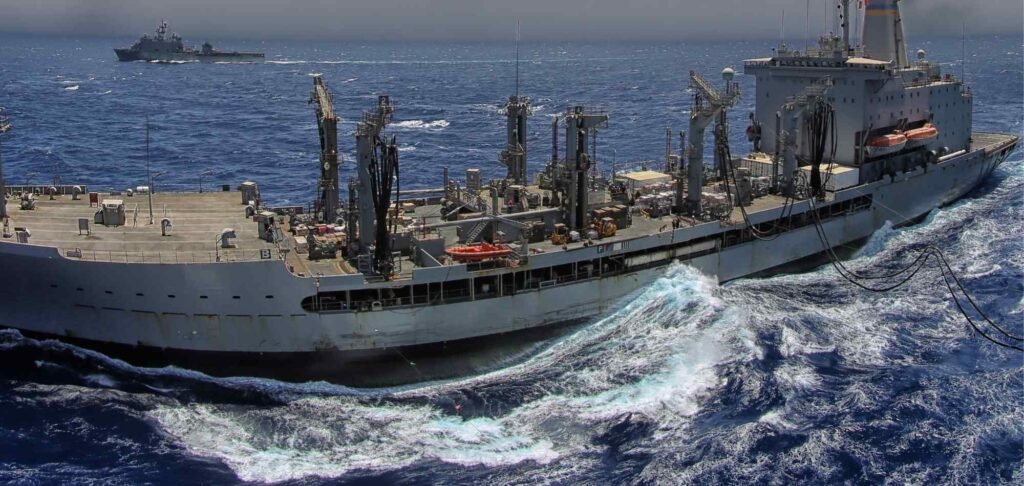
Our marine engineering services cover the core technical work vessels need during U.S. port calls:
For each job we confirm scope, time on board and parts needed before the vessel arrives, so work can start as soon as access is granted.
Not every job is a breakdown. Many vessels use a U.S. call to catch up on planned maintenance that the crew cannot finish alone, such as overhaul assistance, system checks or inspections that need extra hands or specialist tools. Send the planned maintenance items with the requisition, and we will check which can realistically be done in the time alongside.
Every engineering job starts with information from the vessel. The chief engineer’s description, equipment maker and model, serial numbers, alarm history and photos let us brief the right technical partner and identify likely parts before arrival. We then agree the scope of work, the time needed on board, any permits required by the terminal, and whether the job can be done safely during cargo operations. Parts and consumables are ordered in parallel. On completion, the technician reports what was found and done, and any follow-up work is listed for the next port or dry dock. This approach keeps surprises to a minimum for the crew and the superintendent.
For recurring equipment issues across sister vessels, we can share findings with the superintendent so the root cause is addressed fleet-wide.
These are the engineering service areas requested most often by vessels calling at U.S. ports. Each can be combined with spare parts and stores supply.
Not sure which service area your job falls under? Describe the problem and our team will route it to the right technical partner.
Support for main and auxiliary engine maintenance tasks, overhaul assistance and machinery checks, with parts supplied for the job. See engine parts.
Fault finding on power distribution, motors, starters and control circuits, with cable and components supplied. See electrical supplies.
Service and repair of accommodation air conditioning and provision room refrigeration systems. See plumbing and ventilation.
Repairs to pumps, valves and pipework in machinery spaces and on deck. See pumps.
Welding, fabrication and structural support for repairs that can be done safely during the port call, subject to terminal permits.
Planned maintenance support and inspections to catch issues before they become breakdowns at sea.
Time alongside is limited, so planning decides whether the job finishes before sailing.
Terminals control who can board and whether hot work is allowed. We confirm technician access, TWIC escort needs and any hot-work permits with the agent and terminal before arrival.
Jobs on deck machinery, pumps or electrical systems may affect cargo operations. We agree a work window with the vessel so repairs and cargo work do not clash.
Spares, gaskets, welding consumables and tools for the job are ordered alongside the technician booking and delivered before work starts.
After the job, you receive a work report describing findings and actions, plus delivery notes for parts supplied, for your planned maintenance system and class records.
Technical partners follow the vessel’s safety management procedures, including permits to work, lock-out and tag-out and enclosed space rules. We share the vessel’s requirements with them before boarding so work starts without delay.
If a job cannot be completed in the time available, the report lists what remains, the parts required and a suggestion for the next port or dry dock, so the superintendent can plan ahead.
Many terminals restrict welding and hot work. Tell us early so permits and alternative arrangements can be checked with the agent.
A breakdown during a port call can threaten the schedule. Send a description of the defect marked URGENT, with the ETD, port and equipment details, and we will tell you quickly what support can realistically be arranged before sailing, and what is better planned for the next port. Requests can be sent any time, and urgent ones are prioritized by sailing time.
For known defects, sending details while the vessel is still at sea gives the best chance of completing the repair in port.
Many vessels we support are managed from Greece, Germany, Norway, Denmark, Japan, South Korea, Singapore and India. We keep technical superintendents informed by email across time zones, with clear scopes and progress updates, so decisions can be made without waiting for office hours.
When a repair needs a part from the original maker abroad, we coordinate timing with your agent so the part and the technician meet the vessel at the same port.
We agree the scope and estimate before work starts. If the technician finds more work than expected, the change is described and approved before it is carried out, so there are no surprises on the invoice.

Clear information early makes the difference between a job finished in port and one carried over.
Explain the symptoms, alarms and what has already been checked. Photos and readings save time on board.
Maker, model, serial number and drawings let the technical partner prepare and bring the right parts.
Give the ETA, ETD and cargo plan so we can judge what is realistic during the call.
Let us know who approves scope and cost changes, so work is not held up on board.
Vessel name, IMO, berth or terminal, ETA/ETD, agent details and the item list with quantities. For spares add maker, model and part number.
Every line priced, substitutes and long-lead items flagged, and delivery or launch charges confirmed up front.
Approve by email or purchase order. Suppliers and transport are booked the same day.
Stores arrive in the agreed slot at your berth at any U.S. port we serve with a delivery note matching your requisition.
Invoice and supporting documents for your accounts, audits and vessel records.
A clear defect description at step one is the biggest factor in getting the job done in port. Parts supplied for the work are checked against the requisition and listed on the delivery note before the chief engineer signs. Engineering progress is reported to the vessel and superintendent at agreed points, so everyone knows whether the job will finish before sailing.
We coordinate engine and machinery maintenance support, electrical diagnostics and repairs, HVAC and refrigeration services, pump, valve and piping repairs, welding and fabrication, preventive maintenance and urgent engineering support.
Work is carried out by approved subcontractors and trusted technical partners, coordinated by our Houston team.
Yes. Spares, gaskets, consumables and tools for the job are supplied with the work order so the repair can start on arrival.
Welding and hot work depend on terminal permits. Tell us early and we check what is allowed with the agent and terminal.
Yes. Send the defect marked urgent with the ETD and we will tell you quickly what support can be arranged before sailing.
Defect description, equipment maker, model and serial number, photos or alarm readings, port, ETA and ETD.
Yes. You receive a work report on findings and actions plus delivery notes for parts supplied.
Often yes, depending on the system involved. We agree a work window with the vessel so repairs and cargo do not clash.
Yes. HVAC and refrigeration system services are among the engineering services we coordinate.
We support vessels at major U.S. ports on the Gulf, East and West Coasts, coordinated from Houston.
Send the vessel name, port, ETA, ETD and a description of the job. You will get a clear scope, parts list and plan to complete the work during the call. From a single fault-finding visit to a multi-day maintenance task, one coordinator stays with the job until it is closed out.
Ship supplies at U.S. ports
Tell us about your vessel and port call. Our team will review your requirement and get back to you.
Prefer to talk?
(979) 250-7486
Request Ship Supplies
Share your vessel details and requirements in short.
Request received
Thank you. Our team will review your request and contact you.